Understanding Roofing Warranties: Are You Really Protected?
Understanding Roofing Warranties: Are You Really Protected?
A new roof is a major investment, so how can you be sure you’re not left vulnerable down the line? At Better Way Roofing, we believe knowing how your roofing warranty works is crucial to your peace of mind. Let’s break down what you really need to know before you sign on the dotted line.
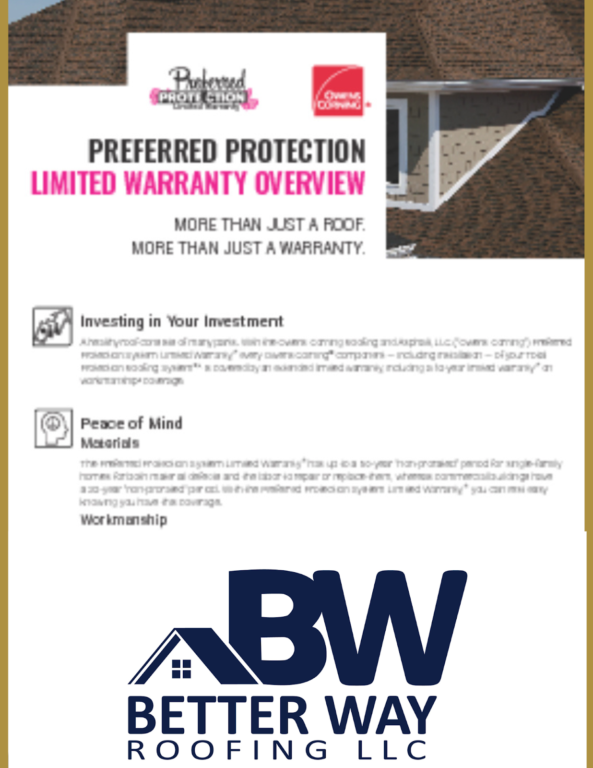
What Exactly IS a Roofing Warranty? Read Before You Buy!
A roofing warranty is a promise, sometimes from the manufacturer, sometimes from your installer, or both. It spells out what parts of your roof are covered (and for how long) if something goes wrong, whether it’s a manufacturing defect or an installation slip-up. Not all warranties are created equal, and some can leave you exposed to unexpected costs if you don’t read the fine print.
Lyle’s Pro Tip: Don’t just skim the paperwork. Read carefully, and ask questions about anything you don’t understand before you agree to anything! A good contractor will welcome your questions.
Why Should You Care About Roofing Warranties? Avoid Nasty Surprises
Roof repairs and replacements aren’t cheap. Without proper warranty coverage, you could be hit with hefty repair bills, even for issues you thought were covered. A strong warranty shows both your manufacturer and installer believe in their work. It’s your safeguard against surprise expenses and subpar workmanship.
“Better Way Roofing explained every detail of our warranty, and it made all the difference when we needed a quick repair. Truly puts your mind at ease.” — Sarah P.
The Two Warranties You MUST Understand (Or Risk Costly Mistakes!)
Did you know there’s more than one type of roofing warranty? Here are the two that matter most:
- Manufacturer Warranty: Covers defects in roofing materials, think of issues with your shingles, underlayment, or components failing sooner than expected.
- Workmanship/Contractor Warranty: Covers the installation itself. If a leak pops up because something was installed incorrectly, this is where you’re protected.
Neither warranty covers everything! Manufacturer warranties don’t cover installation errors, and contractor warranties don’t cover bad materials. The best protection? Having both.
Metal Roofing Warranties
With metal roofs, warranties work in a slightly different way. The metal is warranted for 40 – 50 years, but there is no registration with the manufacturer – it is simply with the contractor. This makes your choice of installer very important – if they go out of business, you will not have a warranty.
“Our installation warranty from Better Way Roofing meant a small fix after a storm was handled instantly, and at no extra cost.” — Mark T.
Beware: What’s Actually Covered (And Excluded) In Your Warranty?
Before you commit, dig into the fine details:
- Coverage Period: How long will your protection last? Is “lifetime” as long as you expect? The longest warranty that exists is a 50-year non-prorated warranty. This obviously will cost more, but may be worth it for the additional peace of mind.
- What’s Included (and Not!): Do you get both materials and labor? Watch for exclusions like damage from severe storms or poor attic ventilation.
- Transferability: Will your warranty travel with your house if you sell? Can it increase your home’s value? Yes – top-tier warranties such as the Preferred Warranty are transferable in the event of you selling your home. Some are not, though, so it is worth checking.
- Prorated Danger: Does your coverage decrease as your roof ages, or do you get full protection the whole way through? That depends on the warranty the homeowner chooses.
“Choosing Better Way Roofing was a no-brainer when we saw how open they were about warranties and what they actually cover.” — Michael B.
Real-Life Stories: How Warranties Make a Difference
Imagine a homeowner noticing a minor leak two years after a new roof is installed. Because they chose Better Way Roofing, the crew traced it to a flashing detail and fixed it quickly, at no cost, because it was covered under the workmanship warranty. No stress, no surprise bills: just prompt, professional support.
In another case, a customer bought a house and discovered shingle issues. The original warranty was transferable, giving the new owner peace of mind and saving them thousands in potential repairs.
Lyle’s Pro Tip: Document everything! Keep your original contract, warranty paperwork, and records of any roof inspections. It’ll speed up any future claim and keep your coverage intact.
Watch Out! Common Mistakes Homeowners Make
- Assuming storm damage is covered: Your warranty probably excludes hail or wind; check your homeowner’s insurance for that.
- Thinking “lifetime” means forever: Some “lifetime” warranties prorate after a set number of years, reducing their value.
- Not knowing about regular maintenance: Skipping routine inspections or gutter cleaning can void your warranty.
- Hiring a non-certified contractor: Using a non-approved installer might make your warranty null and void. Visit the website for whatever roofing product they are proposing to use – if they are certified, you will be able to check that on the manufacturer’s website.
What Happens When You Make a Claim? Step-by-Step
- Reach out to your roofing contractor in the first instance, and they will guide you through the process.
- Inspection: A technician will inspect the issue and determine coverage.
- Resolution: If covered, repairs or replacement are scheduled, usually at no extra cost.
- Follow Up: Keep records of all communication throughout the process.
Lyle’s Pro Tip: Be proactive! Report issues as soon as you spot them, waiting can make things worse or potentially complicate your claim.
Maintenance: Your Warranty Lifeline
Some simple actions keep you protected:
- Annual roof inspections.
- Gutter cleaning to prevent water damage.
- Avoiding roof modifications without professional advice.
- Promptly fixing minor issues before they become major headaches.
Neglect is one of the top reasons warranty claims are denied!
Roofing Warranty Red Flags: Don’t Get Burned
- Ensure your contractor registers your warranty after the roof is complete. If this critical stage does not happen, you have no warranty.
- Vague verbal promises instead of written warranties.
- No specifics about coverage, period, or exclusions.
- No paperwork or hesitancy in providing warranty documentation.
- “Too good to be true” offers, like lifetime coverage with no details.
If you spot these warning signs, reconsider your contractor choice.
Manufacturer’s Requirements: Why Details Matter
Many premium warranties require all components, from underlayment to fasteners, to come from the same manufacturer and be installed by certified professionals. If you mix brands or hire an unapproved contractor, your warranty could be at risk. Check your contract and make sure the components align with the same manufacturer.
Frequently Asked Questions About Roofing Warranties
How long do roofing warranties really last?
Manufacturer warranties can stretch 25 years to “lifetime”; workmanship coverage usually ranges 5–25 years. “Lifetime” often means as long as you own your home.
Is storm damage included?
Most warranties don’t cover storm or “act of God” damage. For that, check your homeowners insurance.
Are warranties transferable if my house sells?
Sometimes! Transferable warranties can boost resale value, but look for deadlines, fees, or limits.
What does “prorated” mean?
With a prorated warranty, your protection (and what’s covered) shrinks as time passes, meaning bigger bills for you later on.
What can void my warranty in a flash?
Unapproved roof alterations, poor attic ventilation, or lack of regular maintenance. Always ask what voids your specific coverage!
How do I get help if there’s a problem?
Call your contractor or manufacturer right away with proof of purchase and details of the issue, they’ll guide you through next steps.
Why should I care about a certified contractor?
Some warranties are only valid if the work’s done by an approved installer. It helps guarantee both your new roof and your warranty are built to last.
If you want complete peace of mind, call Better Way Roofing Today
Our team is happy to walk you through the different warranty options and explain how each one works. Having been in business for over a decade, we have access to the top-tier warranties available.