
The short answer
A hip roof stands up better to strong wind and heavy snow. A gable roof costs less to build and gives you more usable attic space.
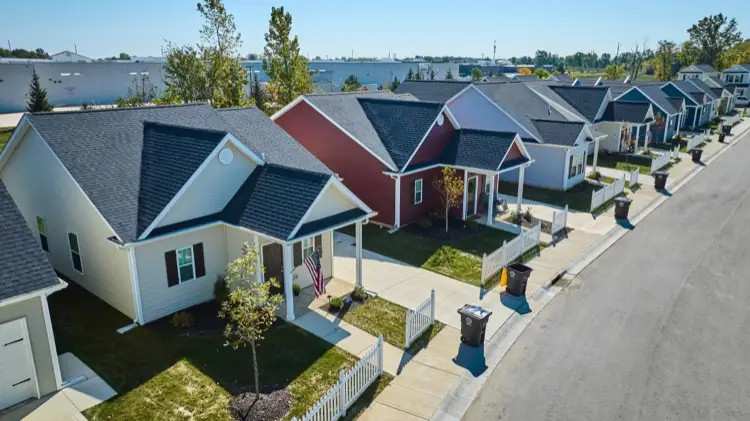
- Shape: a hip roof slopes down on all four sides. A gable roof has two slopes meeting at a ridge, with a triangular wall at each end.
- Wind: a hip roof deflects gusts from every direction.
- Cost: a hip roof costs more, because the framing is more complex.
- Attic space: a hip roof leaves a smaller, less usable attic.
- Snow and rain slide off a hip roof more easily.
Choosing a roof style often comes down to hip or gable. The design isn’t just about looks: it affects your home’s durability, how it handles the weather, and what it costs to build and maintain.
Hip Roofs
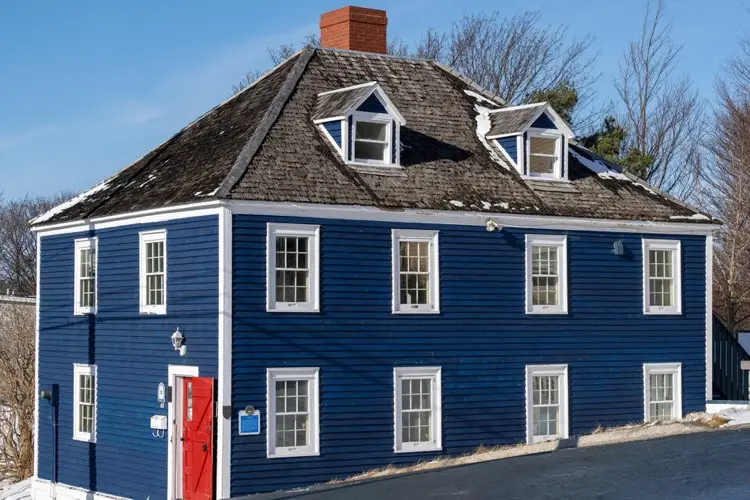
A hip roof is a design where all sides of the roof slope downwards toward the walls, forming an even shape. This type of roof typically has no vertical walls or gables, creating a sleek and symmetrical appearance.
Its design is highly versatile and is often seen in both modern and traditional homes. Since it slopes on all sides, it provides increased stability, making it especially ideal for areas prone to high winds and heavy snow.
Pros of a Hip Roof
- Durability: Hip roofs are more stable and handle wind and snow loads better than other designs.
- Aesthetics: The symmetrical design adds an elegant, classic, traditional roof style look to any home.
- Versatility: Works well for a broad range of architectural styles.
Cons of a Hip Roof
- Cost: More complex construction leads to higher costs for both materials and labor.
- Maintenance: More joints and valleys increase the likelihood of leaks, requiring careful maintenance.
Gable Roofs
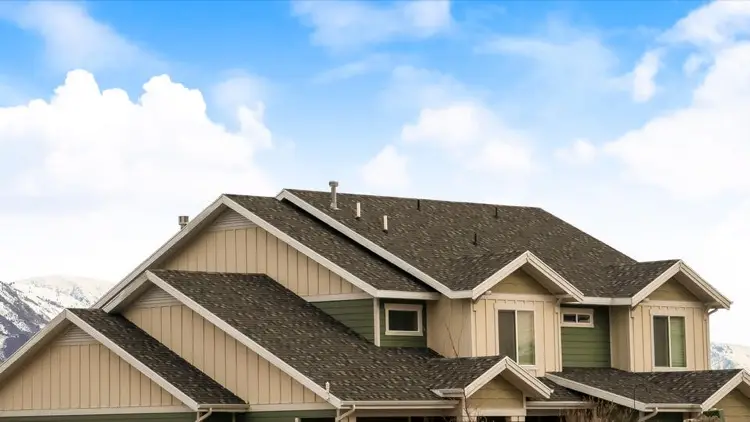
A gable roof, on the other hand, features two sloping sides that meet at a ridge, forming a triangular shape often referred to as a gable. This design creates two vertical walls on either end of the home.
Gable roofs are one of the simplest and most popular roof styles. Their efficient design allows for better drainage of rain and snow, and they provide ample storage or attic space. However, their open ends can make them more vulnerable to strong winds.
Gable Roof Advantages
- Simplicity: Their straightforward design requires less roofing materials and makes them more affordable to build and maintain.
- Ventilation: The triangular shape offers more space for ventilation and insulation.
- Drainage: Steep slopes enable efficient drainage of rainwater and snow.
Gable Roof Disadvantages
- Wind Vulnerability: Gable roofs can suffer damage in areas with high winds.
- Stability: Less stable than hip roofs in extreme weather conditions.
5 Key Differences Between Hip and Gable Roofs
Understanding the differences between gable and hip roofs will make it easier to identify which is the better fit for your needs. Each roof type has distinct characteristics that influence its appearance, functionality, and performance in different environments. Here’s a detailed breakdown of their key differences.
1. Structure and Design
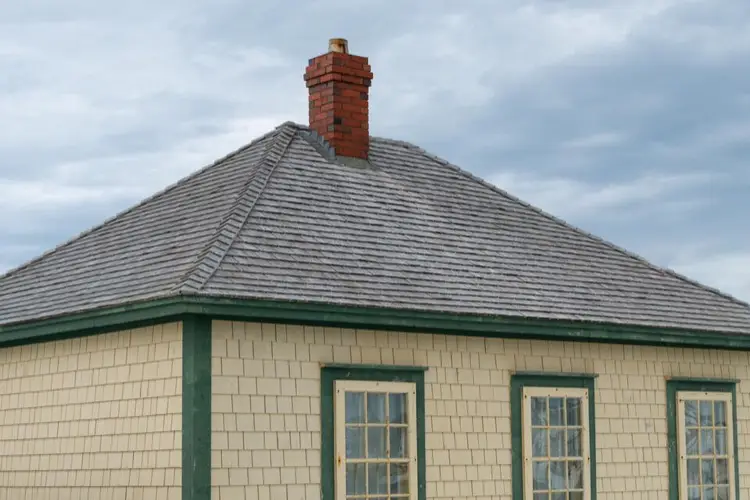
A hip roof is known for its symmetrical design, with slopes on all four sides converging at the top to form a ridge. This creates a box-like appearance that is aesthetically pleasing and suits a variety of architectural styles. The uniform slopes make hip roofs stand out for their visual appeal and balanced structure.
In contrast, a gable roof features two sloping sides that meet at a peak, with the other two sides forming vertical walls that create a triangular shape. This design is simpler and more traditional, often seen in residential homes. The gable roof’s structure allows for better ventilation and is often chosen for its straightforward and classic look.
2. Wind Resistance
Hip roofs are considered highly durable in areas prone to high winds or hurricanes. Their sloped design minimizes wind pressure by deflecting gusts from all directions, reducing the likelihood of structural damage. This makes them a reliable choice in regions with extreme weather conditions, where wind resistance is critical.
Gable roofs, on the other hand, are more vulnerable to wind damage, particularly because of their open ends. Strong winds can exert pressure on the vertical walls, potentially causing them to collapse or lead to roof failure. Homeowners in windy areas often need additional reinforcements or modifications to improve the wind resistance of gable roofs.
3. Cost of Construction
A hip roof generally costs more to construct due to its complex design. The need for additional materials and skilled labor increases the overall expense. The intricate framing and precise craftsmanship required to build a hip roof contribute to its higher price tag, though this investment often pays off with improved durability and aesthetic appeal.
In comparison, a gable roof is more cost-effective upfront. Its straightforward design requires fewer materials and less labor, making it a budget-friendly option for homeowners. While the initial costs may be lower, it’s important to consider that gable roofs might require additional maintenance or reinforcements in areas with extreme weather, which can increase long-term expenses.
4. Interior Space
One notable downside of hip roofs is the limited interior space they provide. Since the slopes extend on all four sides, the attic or storage area beneath is generally smaller and less functional. This can be a drawback for homeowners who need ample storage or plan to convert the attic into a usable living space.
Gable roofs, however, are better suited for maximizing interior space. The triangular design creates a spacious attic area with more headroom, making it a practical choice for those who want additional storage or plan to finish the attic as an extra room. The increased space is a key advantage for families or individuals looking to make the most out of their home’s interior.
5. Weather Protection
When it comes to protecting your home from harsh weather, hip roofs tend to perform better. Their sloped design allows snow and rain to slide off easily, reducing the risk of water pooling or leaks. The even distribution of weight also prevents structural strain during heavy snowfall, making hip roofs a reliable option for regions with severe weather.
While gable roofs are good at providing drainage, their performance in challenging weather conditions isn’t as robust. They can handle light to moderate rainfall effectively, but their open sides make them more prone to leaks, especially in strong winds. Proper maintenance and additional waterproofing measures can help mitigate these risks, but they may require more attention than a hip roof.
Choosing the Right Roof for Your Home
Selecting the right roof is a critical decision that affects your home’s durability, style, and functionality. Deciding between a hip roof and a gable roof comes down to your preferences, local weather, and budget.
- Hip Roof: If you live in an area prone to extreme weather, such as hurricanes, strong winds, or heavy snow, a hip roof’s sloped design provides added stability and strength, reducing the risk of damage. While it may cost more upfront, the investment can save you on repairs and maintenance in the long run.
- Gable Roof: For homeowners prioritizing affordability and practicality, a gable roof is a great choice. Its simple design is cost-effective, allows for better ventilation, and offers more usable attic space. However, it may be less suited for regions with high winds or heavy snowfall due to its less aerodynamic structure.
Beyond functionality, consider your home’s architectural style. A hip roof pairs well with both traditional and modern aesthetics, adding a sleek, symmetrical look. On the other hand, a gable roof is a classic option for colonial, farmhouse, and cottage-style homes, giving them a timeless charm.
By weighing these factors, you can choose a roof that complements your home’s design, suits your environment, and fits your budget.
Not sure what your roof shape needs?
Whichever shape you have, we'll take a proper look and tell you where it stands, with a fixed written price if work is needed. Free, no pressure.
Get My Free AssessmentNo Pressure, Excellent Installers
Salesman was not pushy. Excellent installers. On time. Friendly. And the roof looks great.
No Surprise Charges at the End
When the job was finished, you would never know they were here. The clean up was fantastic. Best of all, at the completion of the job, there were no surprise additional charges.
They Told Us One Roof Could Wait
We actually had two roofs to be evaluated. One roof had areas of severe granulation loss and was recommended for replacement... The other roof they said could wait 3-5 years.
Kept My Yard Clean
Great communication, didn't try to upsell anything. Professional install, cleaned up the mess and made sure to take precautions to keep my yard clean during the work with tarps and raised dumpsters.
They Answered on Christmas Eve
Super responsive and checked out my roof on Christmas Eve when other companies did not even answer phone. John was an excellent communicator and helped me sort thru what was best for my house.
Fast and Fairly Priced
Fixed our roof in a timely manner, at a very reasonable price.
Last updated: September 13, 2026