
The short answer
- Signs it isn’t working: an attic that’s scorching hot in summer, and comfort or damage problems showing up before you ever suspect the ventilation.
- Can it void your warranty? It can. Manufacturers set minimum ventilation guidelines, because without airflow shingles overheat and turn brittle.
- What you need: both intake, usually soffit vents pulling cool air in, and exhaust to let the hot air out.
- Best time to upgrade: during a roof replacement, though it can be done whenever problems show up.
- Can you do it yourself? Small fixes like clearing blocked vents, yes. Ridge vents and anything tied to your warranty should be done by a pro.
Proper roof ventilation is one of the most misunderstood yet critical parts of keeping your home healthy and your roof performing the way it should. In Indiana, poor ventilation can cause everything from ice dams in winter to higher cooling bills in summer.
“How Do I Know If My Roof Ventilation Is Inadequate?”
Answer: You’ll usually notice comfort or damage issues before you realize it’s a ventilation problem. Is your attic scorching hot in the summer? That’s a sign that all is not well.
The tricky part of all this is knowing if you have an insulation problem or a ventilation problem. Both of these have similar symptoms: condensation and ice dams on your roof deck could mean a ventilation issue, or it may be an insulation issue. Either way, it is always worthwhile to investigate.
If it gets too hot in the attic, it can create a situation where the roof deck will expand more than it should and then contract more as well. This excessive movement could mean you see sheeting pull free from roof nails. This can also cause the sheeting to bubble up in areas. If you see this, it is definitely time to call a roofer to have a closer look.
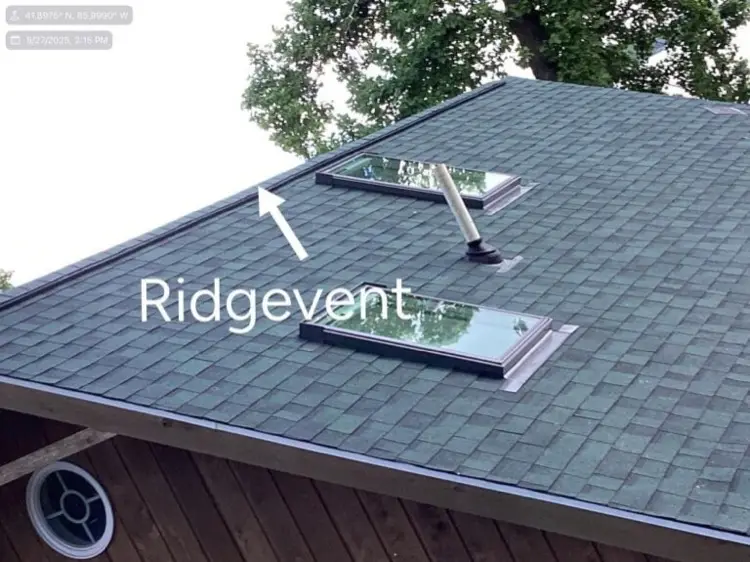
Poor ventilation is sneaky, it often goes unnoticed until costly damage has already set in. Here are the warning signs:
Winter Red Flags:
- Ice dams causing water to back up under shingles
- Frost on the underside of roof decking
- Condensation or excess moisture in your attic
Year-Round Warning Signs:
- Upstairs rooms that get too hot in summer
- Musty odors or visible mold in the attic
- Higher-than-normal HVAC bills
- Curled, bubbled, cracked, or prematurely aging shingles
- Rusty nails or fasteners inside the attic

“If your nails are rusting up in the attic, it’s almost always a ventilation problem. Don’t ignore it. Those little signs are what turn into big, expensive repairs when folks let them slide.”
“Will Poor Ventilation Void My Roof Warranty?”
Answer: Yes. Personally, I’ve never seen it, but it is entirely possible that poor ventilation could void your warranty. Manufacturers do state recommended minimum ventilation guidelines because shingles require proper airflow.
Without it, your shingles overheat, become brittle, and fail years before they should. Moisture also builds up and speeds up deterioration.
What you need to know:
- Most shingle warranties have a minimum recommended ventilation guideline for proper airflow.
- Insurance companies may also deny claims if ventilation issues caused the damage
- Only a certified contractor installing to manufacturer specifications will keep your warranty safe
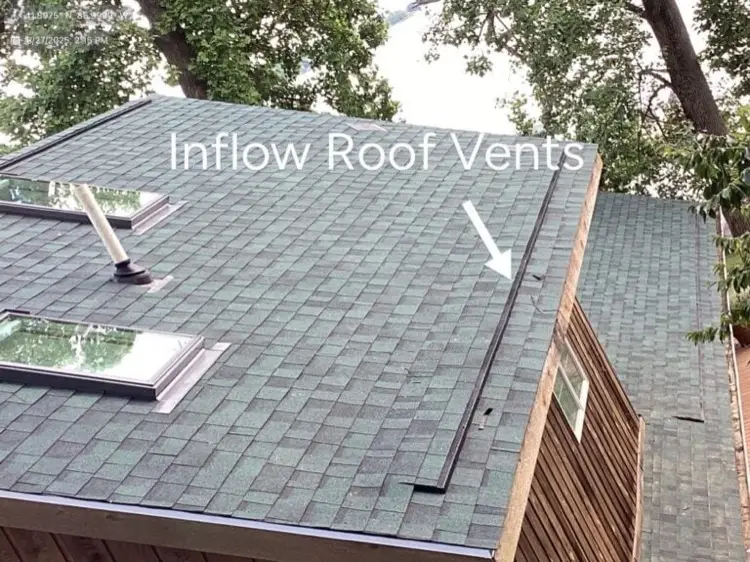
“Always ask your contractor about proper ventilation, and that means both the intake of air and the outflow. Most of the time the air comes in through soffit ventilation, though we’ll use inflow vents on the roof now and then too. To let air escape, you’re looking at ridge vents, box vents, or attic vents. They sit up high so the warm air can rise and get out.”
“What Types of Ventilation Do I Need?”
Summary Answer: A healthy roof system always needs both intake and exhaust.
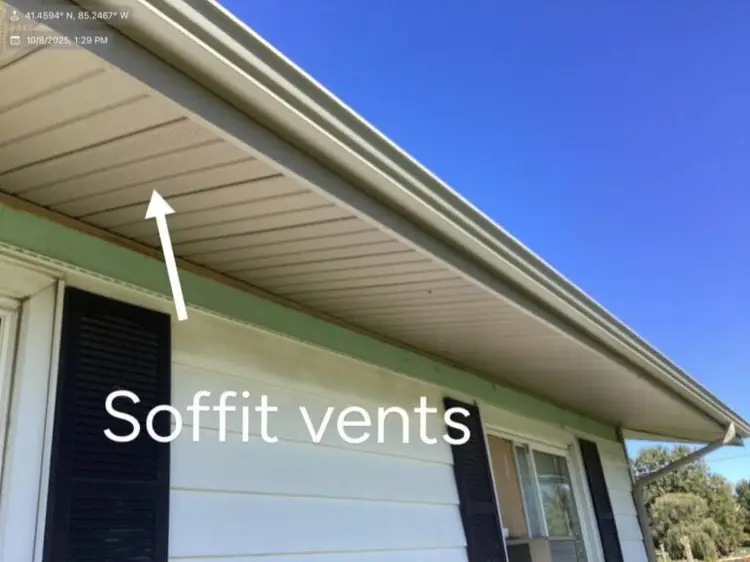
- Intake (Soffit Vents): Pulls cool, fresh air into the attic. These must stay clear of insulation and debris. In most cases, they will have baffles to prevent insulation and debris from blocking the airway. For cathedral roofs, we recommend roof inflow vents for better airflow. Soffit vents don’t work in these roofs.
- Exhaust Options:
Exhaust vents are generally placed close to the ridge to take advantage of warm air’s tendency to rise. The most common vent we see and install is a simple ridge vent. These are simple and offer a better flow than a box vent.
If a ridge vent is not going to work for aesthetic reasons or for technical reasons (not enough ridge) then a solar attic roof vent is a great alternative. This is a solar-powered fan that will draw warm, moist air out of the attic.
- Ridge vents: Continuous, even airflow along the peak
- Box vents: Static vents placed strategically across the roof
- Solar Powered Attic Fan: Solar-powered to pull air out
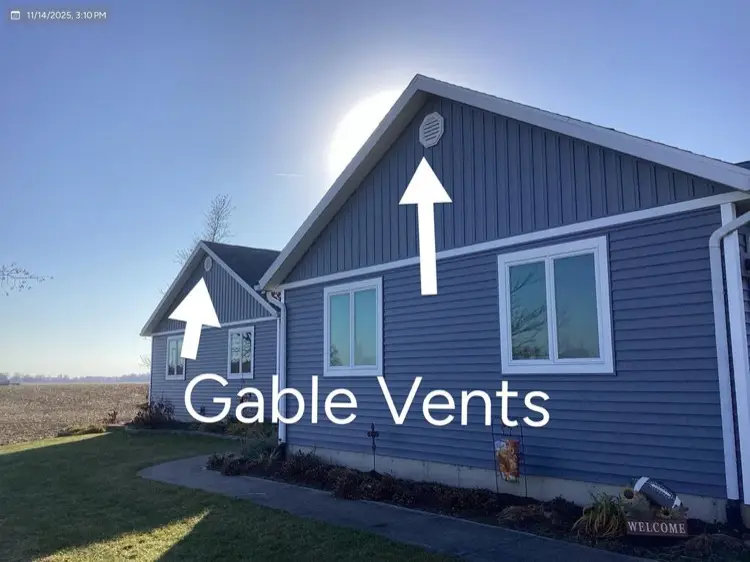
- Gable vents: Installed in the side walls of your attic
The golden rule: intake area should equal or slightly exceed exhaust area when using ridge and soffit vents.
“In my experience, a ridge-and-soffit combo gives you the best value for your money in Indiana’s climate. It’s what I put on most homes around here.”
“How Much Does Proper Ventilation Cost?”
Answer: Ventilation upgrades are one of the most affordable ways to extend your roof’s life and reduce bills.
Prices here are extremely variable. So, for example, we recently completed a ventilation project which involved two 70ft sides of a single-story home. On each side, we not only added soffit vents every 4 feet, but we also cleared away the insulation debris to make sure that the ventilation would function as designed. This cost $3700.
For a very rough guide
- Soffit vents on a single-story home: $27 per foot
- Soffit vents on two two-story home: $40 per foot
- Ridge vents: $18-$25 per foot, depending on roof length and a whole host of other factors.
“Do your homework on whatever ventilation products your contractor wants to use. Make sure they’re good quality and from the right manufacturer for your roof warranty. The wrong part can cost you that warranty down the road.”
“When’s the Best Time to Upgrade My Ventilation?”
Answer: The smartest time is during a roof replacement, but it can be done anytime issues arise.
- Ideal Times: New roof install, insulation upgrades, or when buying an older home
- Seasonal Factors:
- Spring & Fall: Best weather for work
- Winter: Emergency installs may be needed to stop ice dams
- Summer: Can immediately lower attic temps and cooling bills
- Spring & Fall: Best weather for work
“If you’re replacing your roof, always upgrade the ventilation at the same time. It’s the cheapest and most effective moment to get it right, because we’re already up there with everything torn off.”
“Can I Install Ventilation Myself?”
Answer: Small fixes can be DIY, but warranty-protecting installs should always be professional.
- DIY-Friendly: Adding individual soffit vents, cleaning blocked vents, basic maintenance
- Pro Required: Ridge vents, continuous soffit systems, anything tied to your roofing warranty
“A $200 DIY mistake can cost you a $20,000 roof replacement if it voids your warranty. Leave the critical installs to certified pros. It’s just not worth the gamble.”
This article is part of our guide to understanding every part of your roof.
Regional Considerations for Indiana Homeowners
Indiana’s weather makes ventilation even more important:
- Winters: Heavy snow and freeze-thaw cycles demand strong airflow to prevent ice dams and condensation.
- Summers: High heat and humidity put extra stress on HVAC systems without proper attic exhaust.
Get your ventilation checked properly
We'll assess your attic airflow, explain what we find in plain English, and tell you honestly whether anything needs fixing. Free, no pressure.
Get My Free AssessmentNo Pressure, Excellent Installers
Salesman was not pushy. Excellent installers. On time. Friendly. And the roof looks great.
No Surprise Charges at the End
When the job was finished, you would never know they were here. The clean up was fantastic. Best of all, at the completion of the job, there were no surprise additional charges.
They Told Us One Roof Could Wait
We actually had two roofs to be evaluated. One roof had areas of severe granulation loss and was recommended for replacement... The other roof they said could wait 3-5 years.
Kept My Yard Clean
Great communication, didn't try to upsell anything. Professional install, cleaned up the mess and made sure to take precautions to keep my yard clean during the work with tarps and raised dumpsters.
They Answered on Christmas Eve
Super responsive and checked out my roof on Christmas Eve when other companies did not even answer phone. John was an excellent communicator and helped me sort thru what was best for my house.
Fast and Fairly Priced
Fixed our roof in a timely manner, at a very reasonable price.
Frequently Asked Questions
How much ventilation does my attic really need?
Most codes and manufacturers recommend 1 square foot of ventilation for every 150 square feet of attic floor space, split evenly between intake and exhaust.
Will more roof vents always fix my ventilation problem?
Not necessarily. Too much exhaust without enough intake can actually pull conditioned air from your home instead of outside air. Balance is key.
Can poor ventilation really cause ice dams?
Yes. Without consistent attic airflow, warm spots melt snow unevenly, which refreezes at the roof edge and causes water backups.
How do I know if insulation is blocking my soffit vents?
Check your attic. If insulation is packed tight against the eaves, your soffits may not be working. Baffles (rafter vents) keep airflow clear.
Does ventilation make my HVAC system more efficient?
Absolutely. A cooler attic in summer means less strain on your AC, potentially lowering your energy bills.
Is ventilation covered by roof warranties?
It depends on the warranty. Ask your contractor to spell out in writing whether ventilation work is covered before the job starts.
Last updated: September 13, 2026