
The short answer
- Standing seam (hidden fastener, some people call it snap lock): 50 years and more. There are farmhouses around Shipshewana that still have the standing seam that went on 50 years ago.
- Exposed fastener: the screws are the weak point. Expect to tighten or replace them somewhere between 15 and 25 years, then carry on.
- Paint: 40-year paint warranty on both. Some fading over that time is inevitable.
- What cuts it short: metal screwed straight through old shingles with no furring boards, flashings done wrong, and chemicals in the air near fertilizer plants.
- Our weather: I’d imagine freeze and thaw has some effect over time, but I’ve got nothing to back that up. Hail on thin panels is the real risk.
- Our workmanship warranty: 10 years on exposed fastener, 20 on standing seam. Nothing to register.
People ask "how long will it last?" before they ask the price. Fair enough, because it’s the whole argument for spending more on metal. The honest answer starts with a question back: which metal roof?
Here’s the whole answer.
How long does a metal roof last? There’s no single number
Quick Summary: Standing seam roofs go 50 years and more. Exposed fastener roofs depend on their screws, which need attention at 15 to 25 years. The weak point is different.
Standing seam is a thicker steel than exposed fastener, 26 gauge against 29, but the panel itself isn’t what gives out. What decides the lifespan is how the panel is held down.
On standing seam, the screws are covered by the next panel. Nothing is exposed to the sun. On exposed fastener, every screw is out in the weather, and every screw has a rubber washer under its head sealing the hole. That washer is the clock on an exposed fastener roof.
Why an exposed fastener roof depends on its screws
Quick Summary: The rubber washer under each screw seals the hole. The sun works on it for years. When it goes, water gets in. Replace the screws and the roof carries on.
The screws we use now have a molded cap over the washer to protect it from the sun’s UV rays deteriorating it. They’re rated as a 40-year screw. I’d still say it’s inevitable that at some point in time the washer is going to deteriorate.
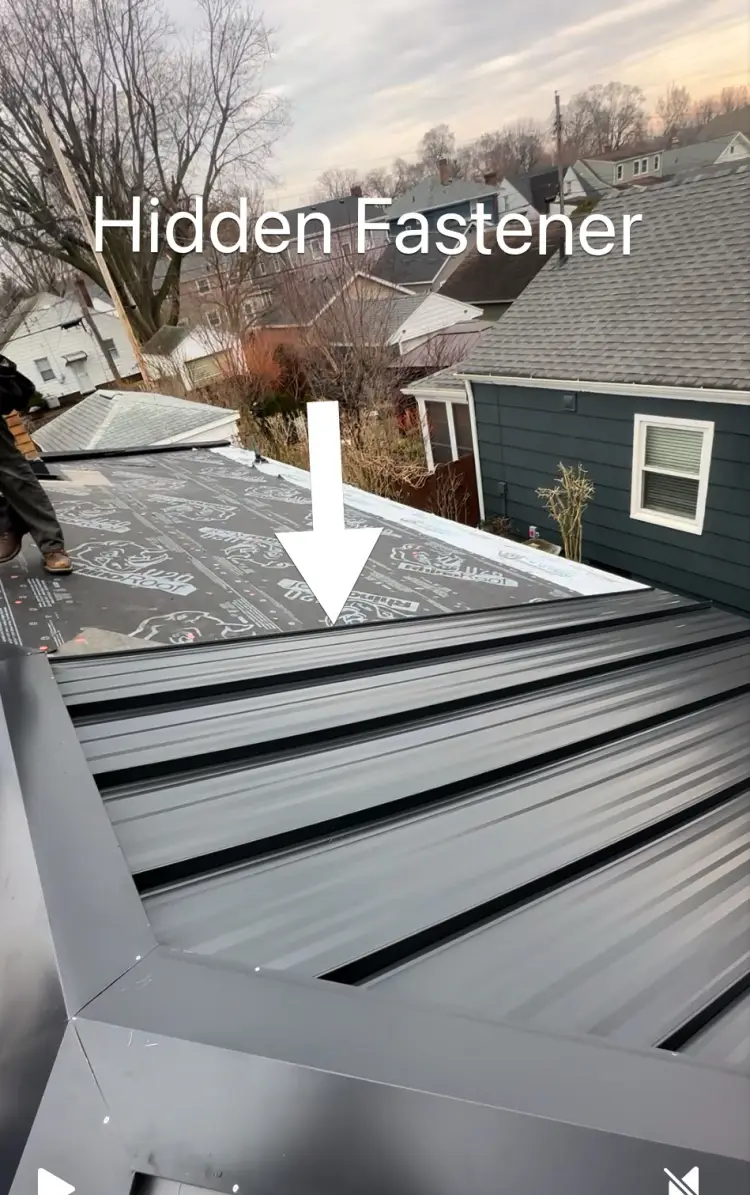
Somewhere in the 15 to 25 year mark, I’d keep it checked. If the screws just need tightening up, tighten them. If the washer itself is starting to deteriorate, swap the screws out. At that point you’ve replaced the screws and you’re still cheaper than a standing seam roof would have been.
If nobody checks, the roof doesn’t fly off. A loose screw lets a little bit of water in, and that’s a leak a few years down the road. So the roof isn’t done at 20 years. It just needs the screws looked after.
I feel confident in an exposed fastener roof for 15 years without a second thought. After that I’d want it looked at. If you’re weighing the two systems, standing seam vs exposed fastener goes through the price gap.

Have an exposed fastener roof inspected at about 10 years, then every three to five years after that. Tighten what’s loose, and if the washers are deteriorating, swap the screws out. It’s a small job, and it saves you a leak down the road.
Why a standing seam roof lasts 50 years and more
Quick Summary: No exposed screws, so there’s nothing for the sun to deteriorate. It’s the same system you see on old farmhouses that are older than the hills.
Each standing seam panel screws down through a flange along its edge, and the next panel interlocks over the top and covers the screws. Nothing is out in the weather. If you look around the older farmhouses in rural areas here, a lot of them have standing seam from 40 or 50 years ago, and it’s still going.
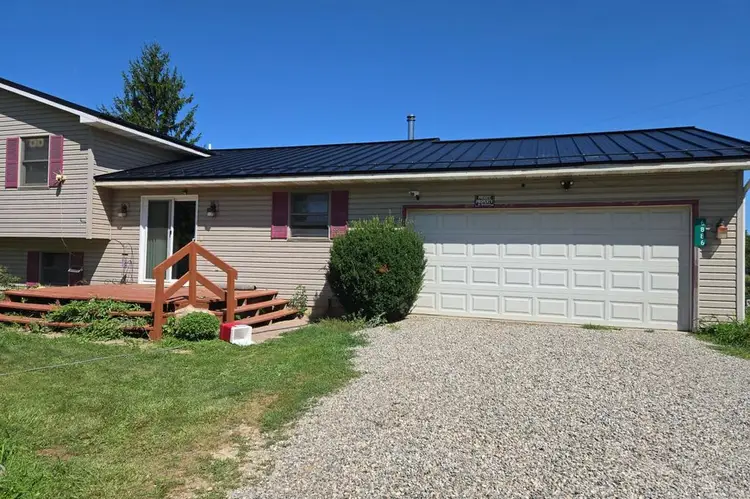
Other than keeping debris off and the gutters clear, there shouldn’t be a whole lot of maintenance. The one thing I’d mention is the sealant around your protrusions, the pipes and vents. We flash everything off and seal it, but with expansion and contraction over the years, I’d imagine that sealant may need renewing at some point. That’s a small job, not a roof job.
Precision on a 100-Year-Old Barn
“The repair was completed with precision and professionalism on our family barn that is over 100 years old.”
Brenda K.
Become our next happy customer →What actually kills a metal roof early?
Quick Answer: Mostly bad installs. Panels screwed straight over old shingles with no furring boards, flashings done wrong, and once in a while, chemicals in the air.
Most of the metal roofs we get called out to replace early are install failures. The biggest one is metal put right over old shingles without furring boards underneath. Once the shingles start to deteriorate, the metal panel settles with them, but the screw stays where it was, so the panel ends up loose. Some of the screws strip out of the OSB deck too. We’ve replaced about a dozen of those, roofs that were 10 to 15 years old and should have had 40 left in them.
Then flashings. Flashings are a big deal on any roof, and on a hidden fastener roof they’re about the only place we ever see trouble. Some companies do a hidden fastener system and then screw the trims on, which to me defeats the purpose.
The odd one is chemicals. A couple of farm buildings near fertilizer plants have rusted through in 20 to 25 years, because what goes up in the air settles on the roof and eats the finish. On a house, unless you’re taking chemicals up there yourself, that’s not something you need to worry about.
Before you sign a metal quote, ask two things: are the furring boards included, and what gauge is the panel? Those two things matter more than the brand.
Does Northern Indiana weather shorten a metal roof’s life?
Quick Answer: Honestly, I’d imagine freeze and thaw and our storms have some effect over time, but I don’t have anything to back that up. What I do see is hail on thin panels.
I’ll give you a straight answer on this one, which is that I don’t know. Over 50 years I’d imagine the freezing and thawing has some effect. I’ve never seen it take a roof out, and I don’t have the numbers to say either way.
Hail is different. Whether it does damage depends on the size of the hail, the speed and the direction it comes in at. A 29 gauge exposed fastener panel is fairly easy to dent and carries a Class 3 impact rating. A 26 gauge standing seam panel is a Class 4 and not nearly as easy to damage. The Insurance Institute for Business and Home Safety publishes the research behind those ratings if you want to go deeper.
Snow is the good news. It sheds off metal rather than sitting on it all winter.
What does a metal roof warranty actually cover?
Quick Answer: The manufacturer warrants the paint against fading for 40 years. Our workmanship warranty is 10 years on exposed fastener and 20 on standing seam. There’s nothing to register on a metal roof.
The manufacturer’s warranty on our panels covers the paint, for 40 years, on both systems. The exposed fastener screws are rated for 40 years too. I do think some fading over that time is inevitable, but the warranty is there.
Our own workmanship warranty is 10 years on exposed fastener and 20 on standing seam. Unlike an Owens Corning shingle roof, there’s nothing to register with anyone. The paint warranty comes with the panel and the workmanship warranty comes from us. Which is the point I’d make: your warranty is only as good as the company that installs it. If they’re not charging enough to stay in business, your warranty goes when they do. Our full terms are on the warranties page, and understanding roofing warranties explains what the different kinds actually cover.
The Whole Process Was Painless
“Would highly recommend this company! Our call for an estimate was returned promptly. The whole process from picking out our new roof to installation was painless. The crew members were professional and respectful.”
Pam Z., Fort Wayne
Become our next happy customer →Metal vs asphalt: which costs less per year?
Quick Answer: Exposed fastener metal costs about the same as a Duration shingle roof and outlasts it with a screw change. Standing seam costs more up front and is the roof you buy once.
If you don’t care about anything other than cost, I’d probably go with exposed fastener metal. Unless you’re in a more upscale subdivision, where I’d probably go with the Owens Corning Duration shingle. They’re very similar in price.
Where standing seam wins is over time. A shingle roof usually goes 20 to 30 years depending on the system. In 50 years you’d do it twice. A standing seam roof you do once, and the farmhouses are the proof. The full comparison is in metal roof vs shingles, and the real numbers are on the pricing page.
How to get the most years out of a metal roof
Quick Summary: Keep water moving, keep debris off, and on exposed fastener, keep the screws checked.
- Keep the gutters clear. Water that backs up finds its way under anything.
- Keep branches off it. If you’ve got trees over the roof, keep them cut back.
- Have the sealant around pipes and vents looked at every few years. Expansion and contraction work on it.
- Exposed fastener: screw check at about 10 years, then every three to five. Tighten what’s loose, and if the washers are deteriorating, swap the screws out.
Don’t let anyone talk you into treating a hidden fastener roof as a screw-down job. If an installer wants to screw the trims on through the face, they’ve defeated the purpose of the system you paid for.
This article is part of our complete metal roofing guide for Indiana homeowners.
Want a Roof You Stop Thinking About?
Free assessment, and a straight answer on which metal system suits your house and your budget.
Get My Free AssessmentPrecision on a 100-Year-Old Barn
The repair was completed with precision and professionalism on our family barn that is over 100 years old.
I Absolutely Love My New Metal Roof
I absolutely love my new metal roof and gutters! Friendly and courteous staff. I highly recommend them for your next project.
So Many Compliments on My New Roof
They did an amazing job. Got it done quickly and efficiently. Have gotten so many compliments on my new roof! Very personable and friendly. Easy to work with, can’t recommend them enough!!
Couldn’t Have Asked for a Better Team
Everyone was so helpful from the inspection and quote to the installation. They were courteous and on time. They made sure to address problems and not just do a work-around without communication.
No Surprise Charges at the End
When the job was finished, you would never know they were here. The clean up was fantastic. Best of all, at the completion of the job, there were no suprise additional charges. Great job Better Way.
Frequently Asked Questions
How long does an exposed fastener metal roof last?
The panel carries a 40-year paint warranty. The screws are the weak point: the rubber washers deteriorate in the sun’s UV rays and usually need tightening or replacing between 15 and 25 years. Do that and the roof carries on. Leave it and you get leaks.
How long does a standing seam metal roof last?
50 years and more. There are farmhouses around Shipshewana that still have the standing seam that went on 50 years ago. No exposed screws, so nothing for the sun to deteriorate. Keep the gutters clear and the sealant around vents checked.
Does a metal roof warranty cover fading?
The manufacturer’s 40-year paint warranty covers the finish, and some fading over that time is inevitable. Our own workmanship warranty is 10 years on exposed fastener and 20 years on standing seam.
Do I need to register a metal roof warranty?
No. Unlike Owens Corning shingles, there’s nothing to register on a metal roof. The paint warranty comes with the panel and the workmanship warranty comes from us, which is why the company you choose matters.
Does Indiana weather shorten a metal roof’s life?
I’d imagine freeze and thaw has some effect over 50 years, but I have nothing to back that up. Hail is the real risk: 29 gauge exposed fastener panels dent more easily than 26 gauge standing seam, which carries a Class 4 impact rating.
Last updated: October 8, 2026